Nestled in Windham County in northeastern Connecticut, Brooklyn offers a distinctly New England combination of open land, agricultural heritage, established neighborhoods, and small-town community life.
For families moving to Brooklyn, CT, and who are looking beyond Connecticut's denser and more expensive markets, the town provides an opportunity to trade urban congestion for more space without giving up convenient access to regional employment and shopping centers.
What Makes Families Moving to Brooklyn, CT So Common Today
Families moving to Brooklyn, CT, are drawn by the affordable cost of living, top-rated local schools, and unparalleled rural privacy. This historic town offers expansive properties and a tight-knit, safe community atmosphere, making it one of the most desirable residential destinations in the Connecticut Quiet Corner.
Discovering the Brooklyn CT Family Relocation Guide
Escaping the Urban Density
A useful Brooklyn, CT family relocation guide should begin with one fundamental question: how much do you value space and a slower pace of life?
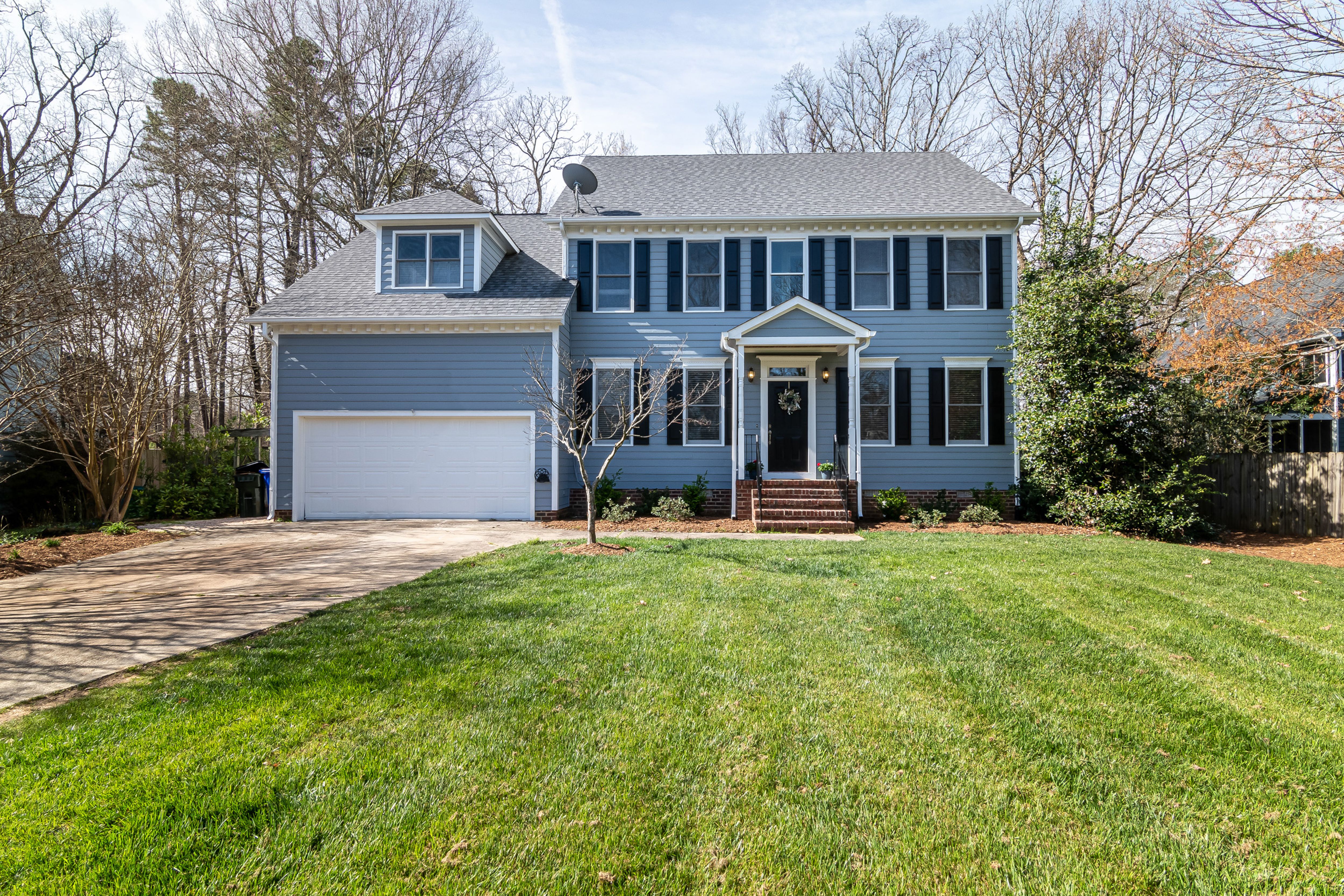
The transition from a major urban area to Brooklyn is significant. Instead of apartment buildings, heavy traffic, and limited private outdoor space, buyers can find properties with larger yards, established homes, and more room for children to play.
It is also important not to confuse Brooklyn, Connecticut, with Brooklyn Heights in New York.
Moving to Brooklyn Heights means choosing a highly urban neighborhood in New York City, while relocating to Brooklyn, Connecticut, means choosing a small town surrounded by farms, forests, and rural roads. They share a name, but their lifestyles are dramatically different.
A Welcoming Community
Community involvement is a meaningful part of life in Brooklyn.
The town's Parks and Recreation Department offers year-round activities, special events, summer programming, and before- and after-school programs. Local organizations also include Brooklyn Little League, youth soccer, and other youth programs serving children and families.
Brooklyn is also home to the Brooklyn Fair, an important part of the area's agricultural identity. The town describes the event as the oldest agricultural fair in Connecticut, reinforcing the role farming and local traditions continue to play in community life.
Evaluating Brooklyn CT Real Estate and Investment Properties
Finding the Perfect Family Estate
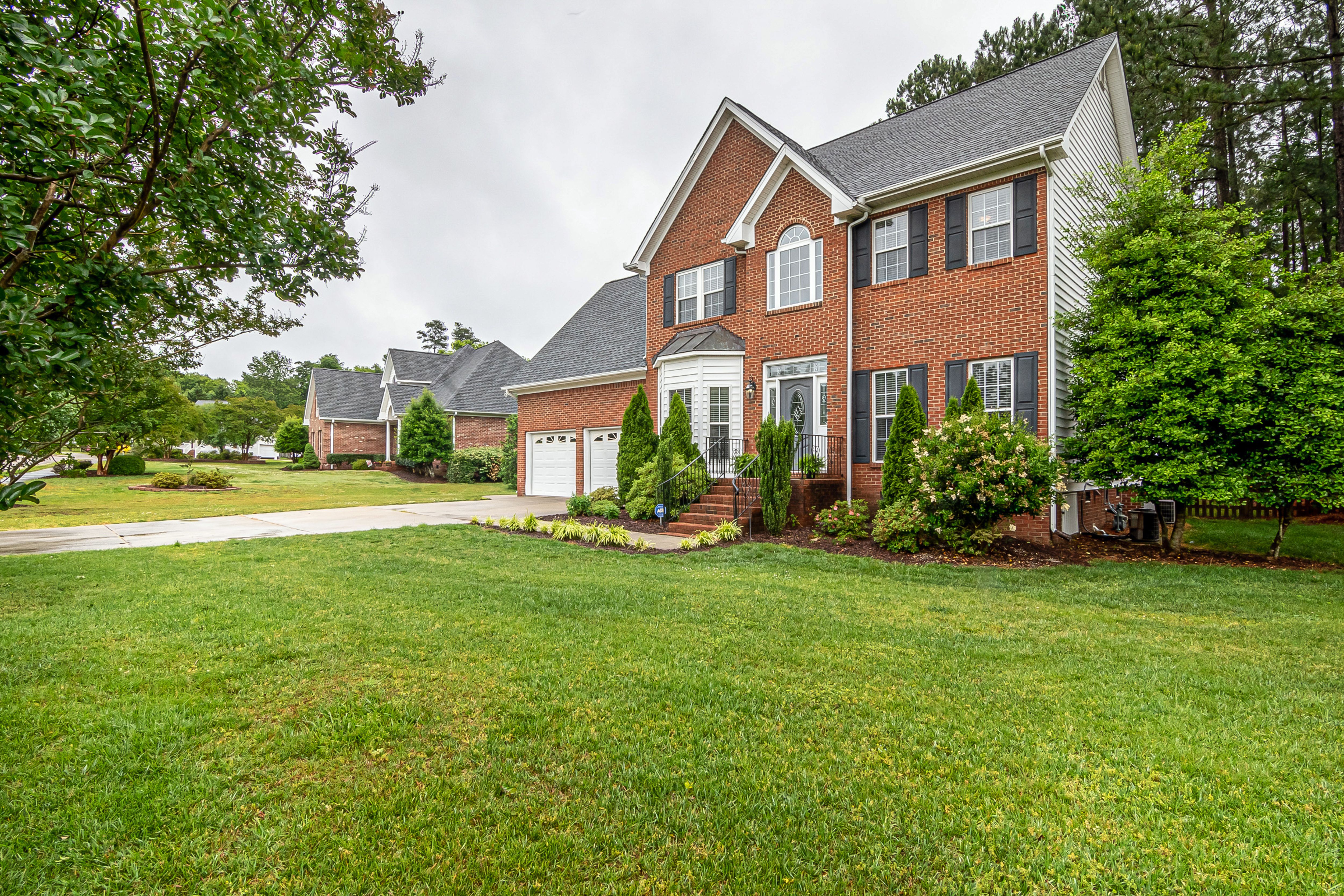
Brooklyn, CT, real estate offers a variety of housing styles rather than a single dominant property type.
Buyers may encounter older homes with New England architectural character, conventional single-family residences, newer construction, and properties with substantial outdoor space.
Current market conditions can change quickly, so buyers should evaluate active listings rather than rely on a single town-wide price estimate. As of May 2026, Realtor.com reported a median listing price of approximately $449,900 in Brooklyn, with 52 active listings at the time of its market snapshot.
Listing prices are not the same as final sale prices, however, and individual properties can vary considerably based on condition, acreage, location, and improvements.
For families, the right property may be less about finding the largest house and more about balancing bedroom count, usable outdoor space, commute time, taxes, maintenance requirements, and proximity to schools and daily necessities.
Diverse Property Opportunities
Single-family homes are likely to be the most relevant option for families, while investors may occasionally encounter multifamily properties or homes that could accommodate extended-family living.
However, buyers should be cautious about assuming that a massive six-family property is common in Brooklyn. Six-unit properties are not a defining feature of the town's housing inventory.
Investors interested in multifamily opportunities should review current listings and local zoning requirements carefully rather than expect a particular property type to be readily available.
For buyers considering an accessory dwelling unit or other additional living space, zoning, permitting, septic capacity, and property-specific regulations should be investigated before making an offer.
The Appeal of Living in Brooklyn, Connecticut
A Slower Pace of Life
Living in Brooklyn, Connecticut, offers a lifestyle centered more around open space, local businesses, recreation, and community activities than around urban entertainment.
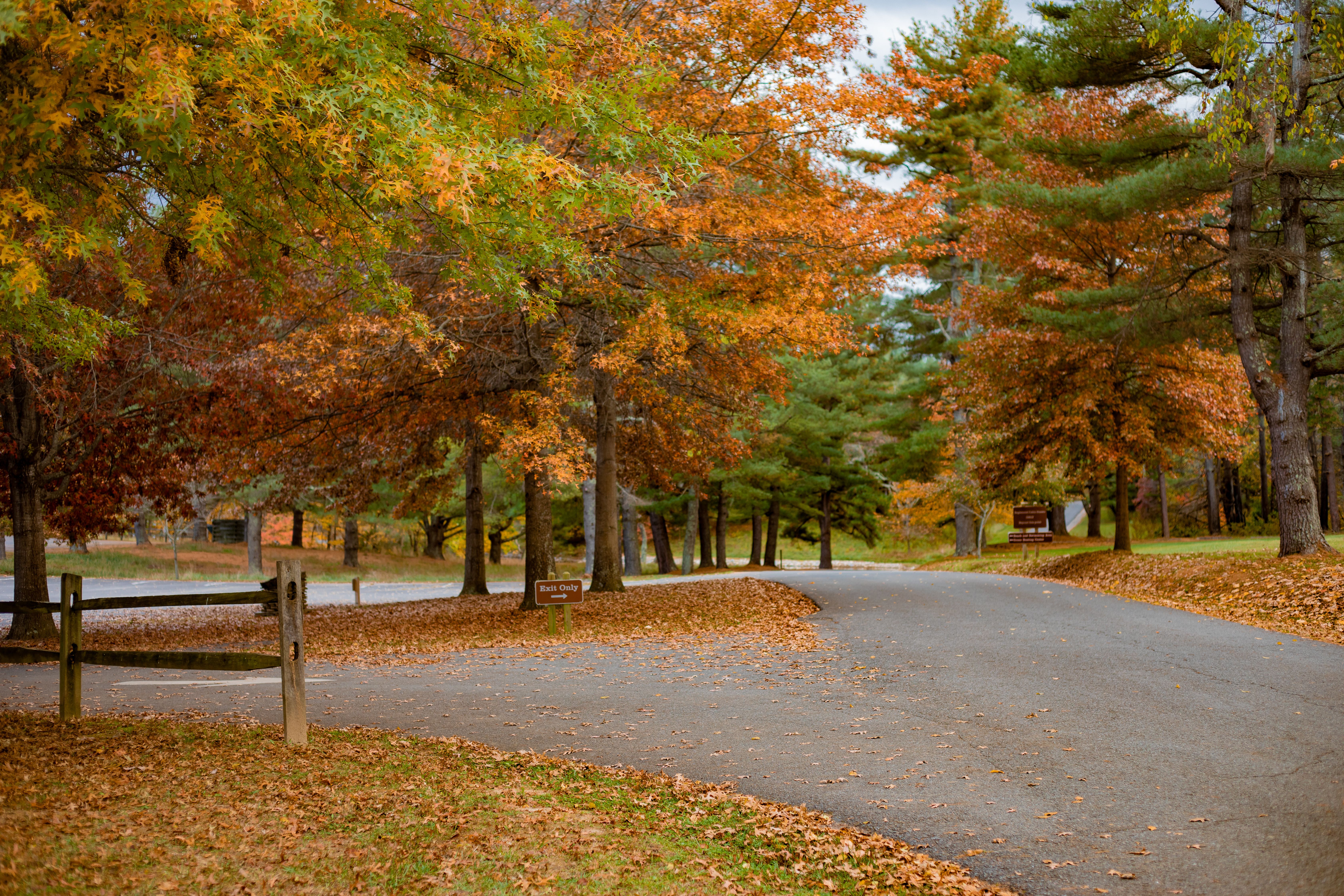
The town has four park locations and provides opportunities for hiking, kayaking, disc golf, volleyball, and other outdoor activities. Nearby Natchaug State Forest also extends into Brooklyn, with the state identifying approximately 870 acres of the 12,596-acre forest within the Pomfret/Brooklyn area.
That makes outdoor recreation an easy part of everyday life rather than something families have to plan as a weekend getaway.
Educational Excellence
Education is another major consideration for Brooklyn families. Brooklyn Public Schools serves students through eighth grade, with approximately 845 PreK-8 students listed in the district's current profile.
For high school, Brooklyn students have several designated options, including Killingly High School, Putnam High School, and Woodstock Academy. The district also identifies magnet-school opportunities, including the Killingly Agricultural Education Program.
That range of options can be especially attractive to families who want a small-town elementary and middle-school experience while having different choices to consider for their teenagers.
Navigating Quiet Corner CT Communities
The Regional Advantage
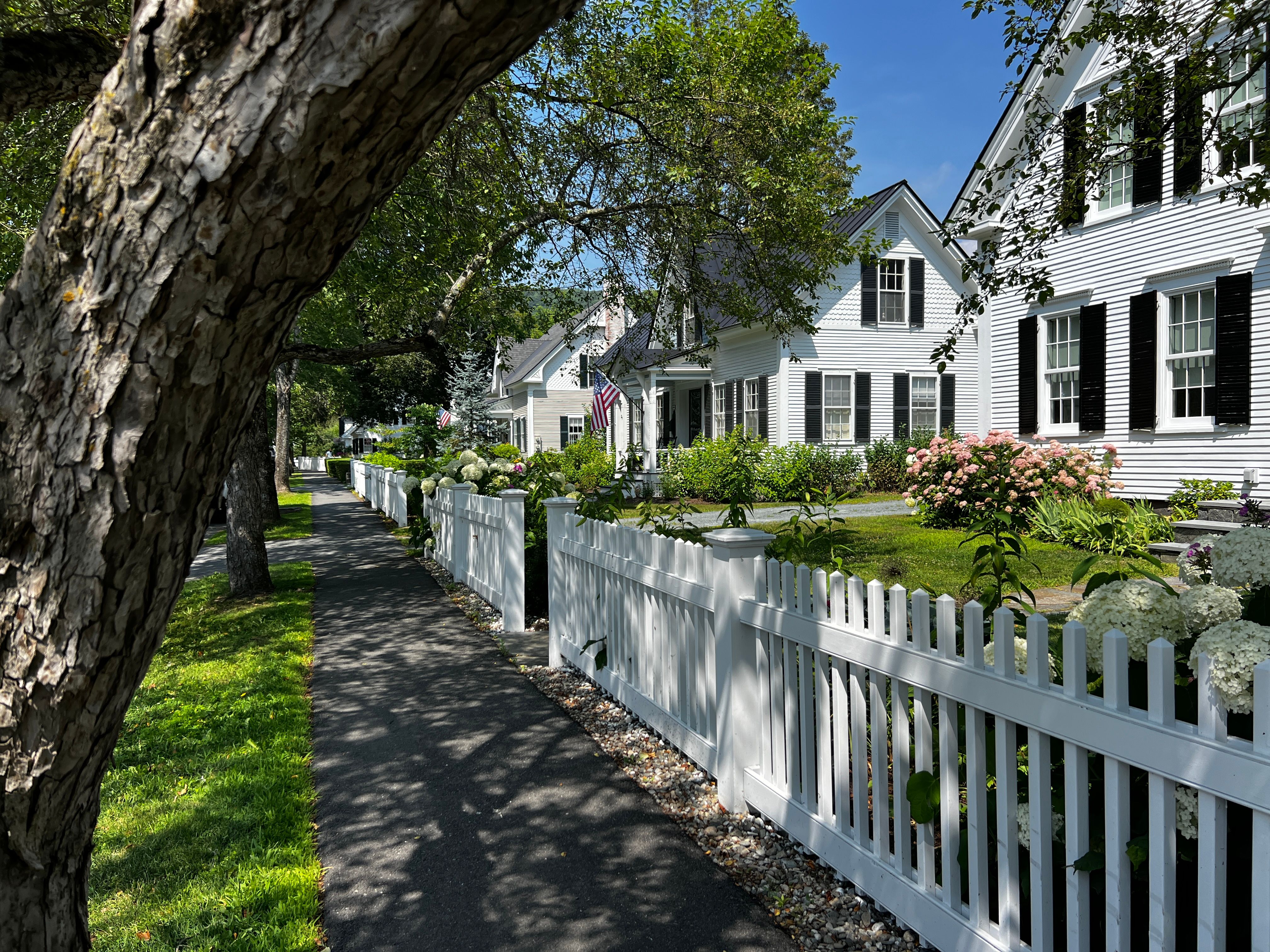
When comparing quiet corner CT communities, Brooklyn stands out for its combination of rural surroundings and practical access to commercial services.
Route 6 runs through the town and provides access to the local commercial district. The town's official directions also point to nearby shopping and services along Route 6, including retailers and restaurants.
The result is a community where families can enjoy a quieter residential setting without being completely isolated from everyday conveniences.
Commuter Flexibility
Brooklyn can also work for households with regional commuting needs. Route 6 connects the town with surrounding communities, while I-395 provides an important north-south transportation corridor nearby.
The U.S. Census Bureau reports an average commute time of 26.7 minutes for Brooklyn workers ages 16 and older, although individual commute times vary substantially depending on where someone works.
For buyers working in northeastern Connecticut, southern Massachusetts, or Rhode Island, the location should be evaluated on a door-to-door basis. A home that looks conveniently positioned on a map can feel very different during a weekday commute.
Urban vs Rural Relocation Comparison Table
| Lifestyle Feature | Brooklyn, Connecticut | Urban Center Counterpart |
|---|---|---|
| Primary Vibe | Quiet, agricultural, spacious | Fast-paced, dense, commercial |
| Real Estate Style | Single-family homes, historic properties, larger lots, and rural properties | Condos, townhomes, multifamily properties |
| Commuter Profile | Primarily car-oriented with regional highway access | More likely to offer extensive public transit and walkability |
| Community Events | Agricultural fairs, recreation programs, youth sports and local events | City festivals, concerts, and larger entertainment venues |
| Outdoor Space | Larger private yards and access to parks and forests | More limited private space with greater reliance on shared parks |
| Population Scale | Approximately 8,700 residents | Typically, much larger and more densely populated |
| Daily Pace | More relaxed and residential | Faster and more concentrated |
Plant Your Roots in the Quiet Corner
For households that want more space, a strong sense of community, and access to outdoor recreation, Brooklyn deserves a serious look.
The town combines a rural setting with practical connections to surrounding communities, while its PreK-8 school system, high-school choices, recreation programs, and agricultural traditions give families plenty of reasons to become involved locally.
A good Brooklyn, CT family relocation guide should go beyond home prices. Buyers should consider school options, property taxes, commuting patterns, lot characteristics, septic or well considerations, zoning, and proximity to the services their household uses most.
The Brooklyn CT real estate market also deserves a property-by-property approach. Current listing data can provide a useful snapshot, but the best home for one family may be very different from the best investment opportunity for another.
For families moving to Brooklyn, Connecticut, the appeal ultimately comes down to lifestyle: more room to live, a smaller community to know, and the natural character that makes the Quiet Corner distinctive.
If you're considering a move and want to understand which Brooklyn properties fit your family's priorities, reach out for a personalized conversation about the local market.
Call us today at (860) 774-2733 or email us at kazantzisa.re@gmail.com to discuss available homes, neighborhoods, and the next steps toward finding the right property in Brooklyn, CT.
Frequently Asked Questions
Are there many families moving to Brooklyn, CT, in 2026?
What public schools serve the Brooklyn families living in the town?
How does the Brooklyn CT real estate market compare to coastal Connecticut towns?
Can I find a 6-family house for sale in Brooklyn, CT, for an investment property?
What is the difference between living in Brooklyn, Connecticut, and moving to Brooklyn Heights, NY?
Are quiet corner CT communities safe for young children?
What should a complete Brooklyn, CT family relocation guide include for out-of-state buyers?